

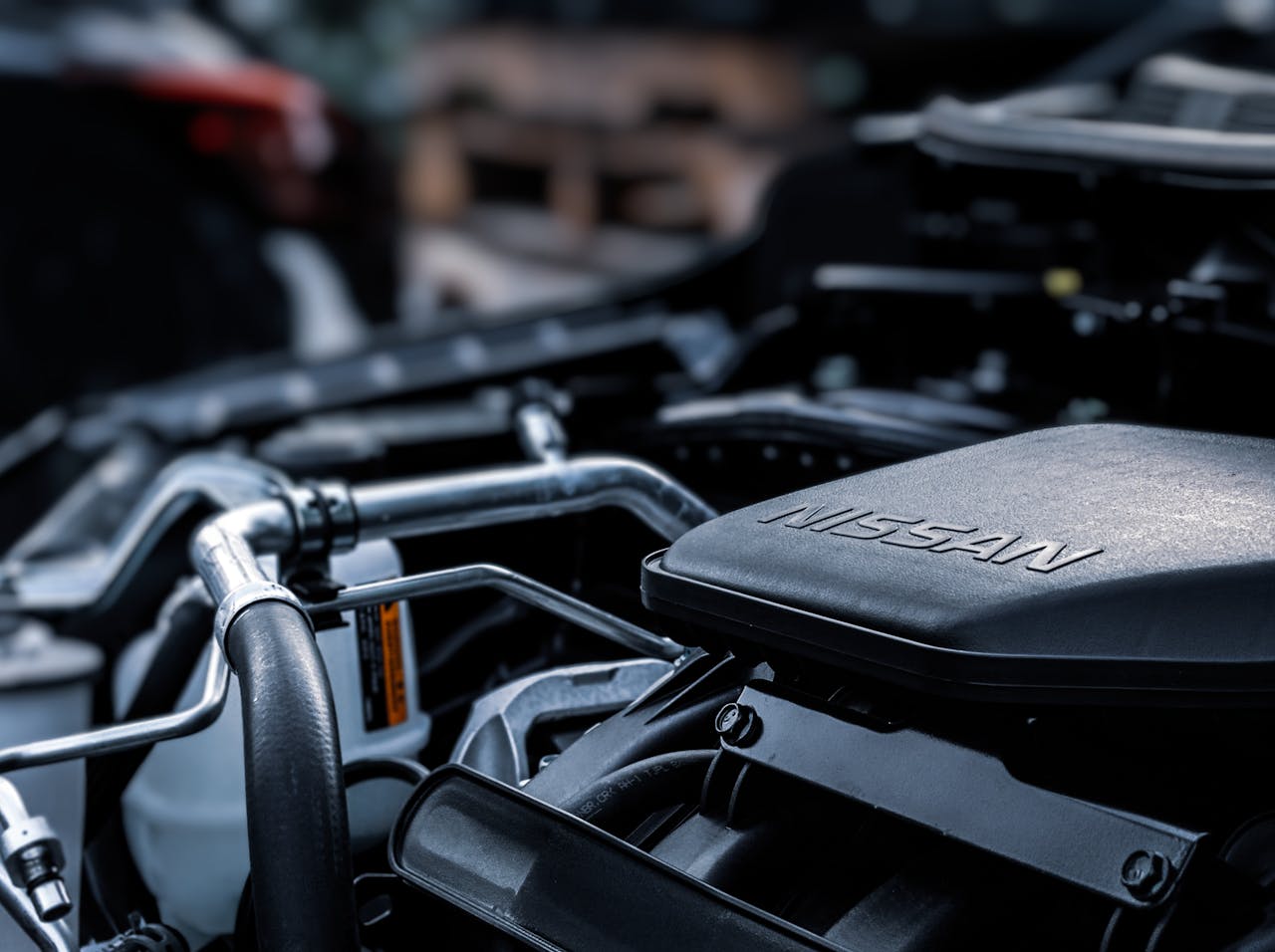
Knowing when to change parts in your Nissan is important for keeping your car in tip-top shape. It’s not just about fixing what’s broken; it’s about ensuring every drive is safe and smooth. The frequency of part changes can depend on how you drive, where you live, and even the type of parts your car uses.
By understanding these factors, you can plan for when certain parts may need replacing, maintaining your Nissan’s reliability and performance for years. Regularly checking and replacing parts as needed is a smart way to care for your car.
Key Factors Influencing Part Replacement
How often you need to replace parts in your Nissan can depend on several factors. One of the most significant influences is your driving habits. If you often drive in stop-and-go traffic or over rugged terrain, your vehicle’s parts will likely wear out faster. Aggressive driving, such as hard braking or rapid acceleration, can also shorten the lifespan of many car components.
The environment in which you drive is another critical factor. For example, vehicles frequently driven in hot or cold climates may require more frequent part replacements because extreme temperatures can cause wear and tear. Similarly, if you live in a coastal area, salty air can accelerate rusting and corrosion, affecting parts like the exhaust system and brakes.
The quality of the parts installed in your Nissan is crucial, too. Aftermarket parts might not last as long as original equipment manufacturer (OEM) parts, specifically designed and tested for your vehicle. Regular maintenance and inspections determine how long a part will last. By following a scheduled maintenance routine, you can help ensure that each component of your car is in good working order, extending the life of your vehicle and its parts. Regular checks help spot potential problems before they become more costly, allowing you to replace parts quickly.
Common Nissan Parts and Their Lifespans
Understanding when to change the key components in your Nissan can help keep your car running smoothly. Here’s a look at some crucial parts and their general replacement intervals:
1. Brake Pads: Typically, they should be replaced every 30,000 to 70,000 miles, depending on usage. Listen for squeaking noises or notice if braking feels less responsive to catch early signs of wear.
2. Air Filters: Replace them approximately every 15,000 to 30,000 miles. A clogged air filter can make your engine work harder, reducing fuel efficiency and performance.
3. Batteries: Car batteries usually last between 3 to 5 years. Weak engine starting or dim lights can signal that it’s time for a new battery.
4. Spark Plugs: These are generally replaced every 30,000 to 100,000 miles. Check the spark plugs if your engine is misfiring or has trouble starting.
Stay attentive to your vehicle’s behavior to determine when a part might need changing sooner than recommended. Be aware of any unusual sounds, vibrations, or dashboard warnings. Addressing these signs quickly can preempt larger issues and keep your Nissan in peak condition. Regular visual inspections during routine maintenance checks can also reveal visible wear, helping you plan part replacements proactively.
Signs It’s Time to Replace Parts
Knowing the signs of failing parts is key to avoiding unexpected mishaps on the road. Your Nissan can give clues when it’s time to replace certain components. For instance, unusual noises like grinding when you brake might indicate it’s time for new brake pads. A sluggish vehicle or has diminished acceleration could signal that spark plugs need attention.
Pay close attention to dashboard alerts. Modern Nissans have sensors that detect various issues, from low tire pressure to engine faults. Responding promptly to these alerts can make a big difference in vehicle health.
Specific parts have unique warning indicators. The timing belt is crucial and often shows signs of needing replacement at around 60,000 to 100,000 miles. If you hear a ticking noise from the engine or see oil leaking near the motor, it might be time to inspect the timing belt. Similarly, worn spark plugs can lead to engine misfires or poor fuel economy, affecting overall performance. Always consult your vehicle’s manual and consider professional checks if these signs appear.
Benefits of Timely Part Replacement
Replacing parts on schedule brings numerous benefits. Most importantly, it enhances vehicle safety, ensuring every component functions as it should. A smooth vehicle is less likely to face sudden failures, minimizing the risk of accidents. Keeping parts in their best condition also boosts car performance, providing a comfortable and reliable driving experience.
Timely part replacement helps avoid larger, more costly repairs. For example, ignoring worn brake pads can damage rotors, leading to expensive brake system overhauls. Addressing minor issues before they escalate saves time and money in the long run.
Regularly updating and fixing car parts extends your vehicle’s lifespan. Rather than driving your Nissan into the ground with neglected maintenance, scheduled replacements keep it robust and road-ready for years. This habit also supports resale value, as potential buyers will appreciate a well-maintained car with documented care.
Conclusion
Understanding how often and when to replace Nissan parts is vital for keeping your car running efficiently and safely. The responsibility of regular maintenance and timely part replacements not only prolongs your vehicle’s life but also ensures every trip is as smooth and secure as possible. You take a proactive role in vehicle care by recognizing the factors that influence wear, identifying the signs of parts needing replacement, and appreciating the benefits of routine upkeep.
At Nissan of Westbury, we’re here to help you manage your vehicle’s needs. If you’re unsure about your Nissan’s parts and maintenance schedule, visit our Nissan parts dealer for expert advice and service. Our team is ready to assist with all your Nissan care requirements, from routine checks to specific part replacements, ensuring your car remains in perfect shape. Drive safely and confidently with our support!
Connect with us


