

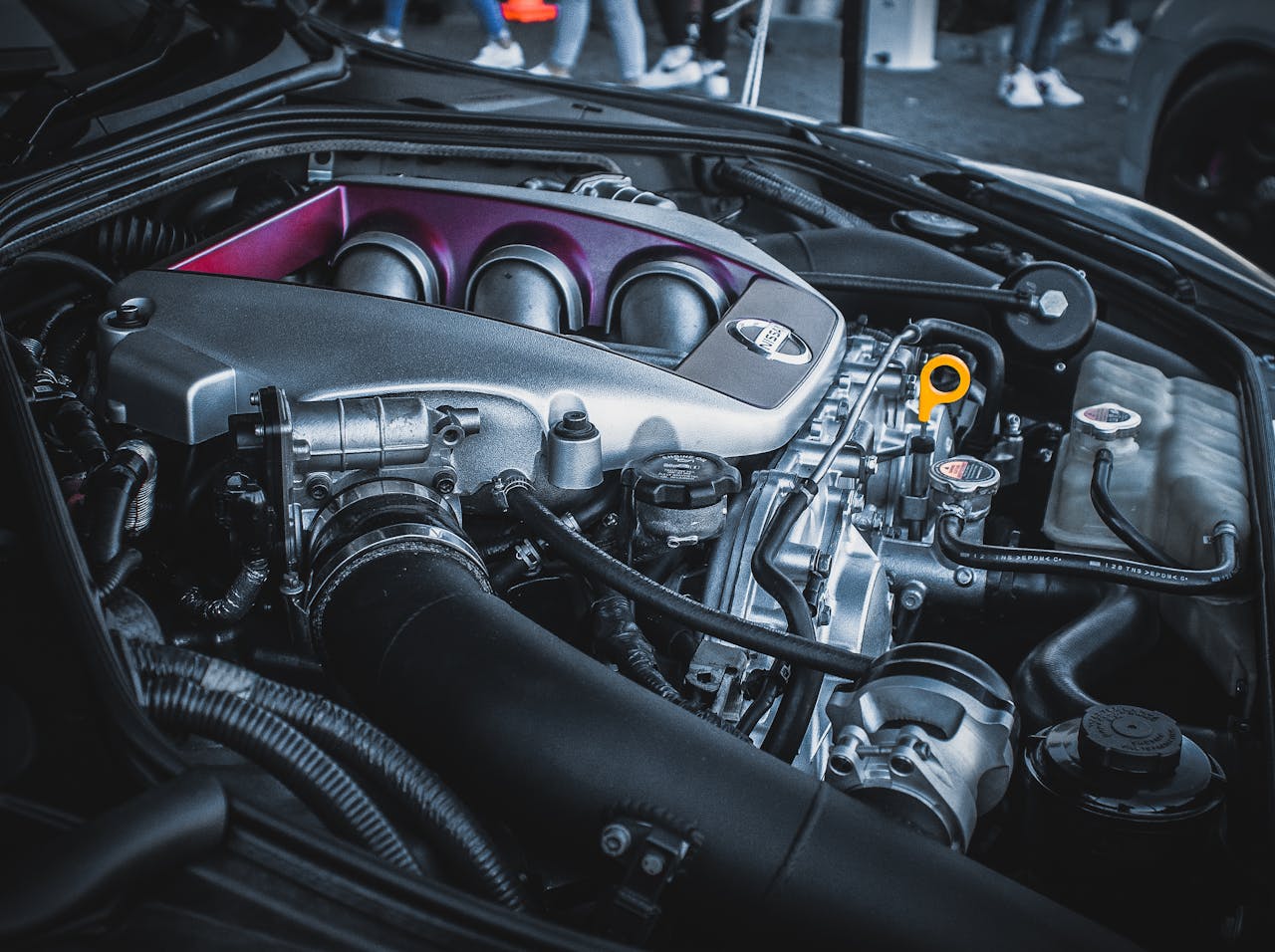
Keeping your Nissan SUV in top shape ensures a smooth and safe drive whenever you hit the road. Regular maintenance not only extends the life of your vehicle but also enhances its performance. Maintaining essential components like the engine, tires, brakes, and battery can prevent unexpected breakdowns and costly repairs.
Following these simple yet effective maintenance tips will ensure that your Nissan SUV performs well under various conditions, providing peace of mind on every journey.
Regular Oil Changes and Fluid Checks
Regular oil changes are essential for a smoothly running engine in your Nissan SUV. Oil lubricates the engine’s moving parts, reducing wear and tear. Over time, oil breaks down and becomes less effective, which can cause friction and engine damage. Following the recommended oil change intervals ensures the engine remains efficient and prolongs its life.
In addition to engine oil, inspecting other fluids routinely is crucial. Transmission fluid is vital for smooth gear shifts. Check your transmission fluid level regularly to ensure it’s at the correct level and is not dirty. Brake fluid is another important component directly impacting your braking system’s effectiveness. Low or contaminated brake fluid can lead to brake failure, so make sure it’s checked and replaced as needed.
Coolant plays a key role in maintaining engine temperature. Without enough coolant, your engine could overheat, leading to severe damage. Regularly inspect and refresh your coolant supply to prevent this. Lastly, washer fluid keeps your windshield clear, providing better visibility. By making fluid checks part of your maintenance routine, you catch potential problems early, saving time and repair costs.
Tire Maintenance and Alignment
Proper tire care greatly influences your vehicle’s safety and efficiency. Begin with tire pressure checks. Underinflated or overinflated tires can affect fuel efficiency and handling. Using a tire pressure gauge, ensure your tires are inflated to the recommended PSI, usually found on a sticker inside the driver’s door frame.
Inspect tire tread regularly for wear patterns, which can affect traction, especially in wet conditions. Uneven tread indicates a need for rotation or alignment. Use the penny test to check the tread depth: insert a penny into the tread with Lincoln’s head down. If you see the top of his head, it’s time for new tires.
Regular tire rotations—typically every 6,000 to 8,000 miles—help ensure even wear across all tires, extending their lifespan. Balancing tires prevents vibration and contributes to a smoother ride. A wheel alignment adjusts the angles of the tires so that they contact the road correctly. Misaligned wheels can lead to decreased handling and increased tire wear.
Routine tire maintenance ensures your SUV rides smoothly and safely, improving performance and extending tire life. By investing time in simple checks and services, you keep your Nissan SUV at its best on every drive.
Brake Inspection and Maintenance
Ensuring your Nissan SUV’s brakes are in top condition is critical for safety. Brake pads and rotors are key components you should inspect regularly. Check for signs of wear on the brake pads; if they look thin or you hear a screeching noise when you brake, it’s likely time for a replacement. Similarly, if the rotors are warped or have visible grooves, consider resurfacing or replacing them.
Regular brake inspections are vital to maintaining consistent stopping power. Brake fluid is also an essential part of this system. Keeping it fresh and at the proper level helps prevent moisture build-up, which can lead to brake fade. For ease, many recommend checking the brake system as part of your SUV’s routine maintenance schedule.
Unusual noises like grinding or squealing can signal potential brake issues. Always listen to your vehicle—it often hints when something needs attention. Addressing these signals early can avoid expensive repairs and keep you safe while driving.
Battery Care and Electrical System
Your SUV’s battery and electrical system need attention to ensure reliable performance. Start by checking the battery terminals for corrosion, which can affect the battery’s connection and overall performance. Clean the corrosion using a mixture of baking soda and water to restore a secure connection.
Regular battery testing helps avoid unexpected breakdowns, especially when battery performance declines in colder weather. Many auto shops offer free battery testing, providing peace of mind about your battery’s condition.
Additionally, inspect the vehicle’s electrical components. Check all lights and signals to ensure they function correctly. It’s also wise to test your car’s charging system to avoid electrical issues that can lead to loss of power.
Conclusion
Taking proactive steps to maintain your Nissan SUV ensures it runs smoothly and safely for years. From fluid checks and tire care to brakes and battery maintenance, each component plays a role in your vehicle’s overall performance. With regular upkeep, you can enhance the longevity and reliability of your SUV, ensuring a comfortable ride every time.
Keeping your SUV in good condition is essential to ensure safety and performance. For more professional assistance, visit Nissan of Westbury. Our team of skilled technicians is ready to help with all your maintenance needs, offering expert advice and Nissan services tailored to your vehicle. Schedule your maintenance appointment today to keep your SUV performing at its best.
Connect with us


