

How Often Should You Change Nissan Parts?
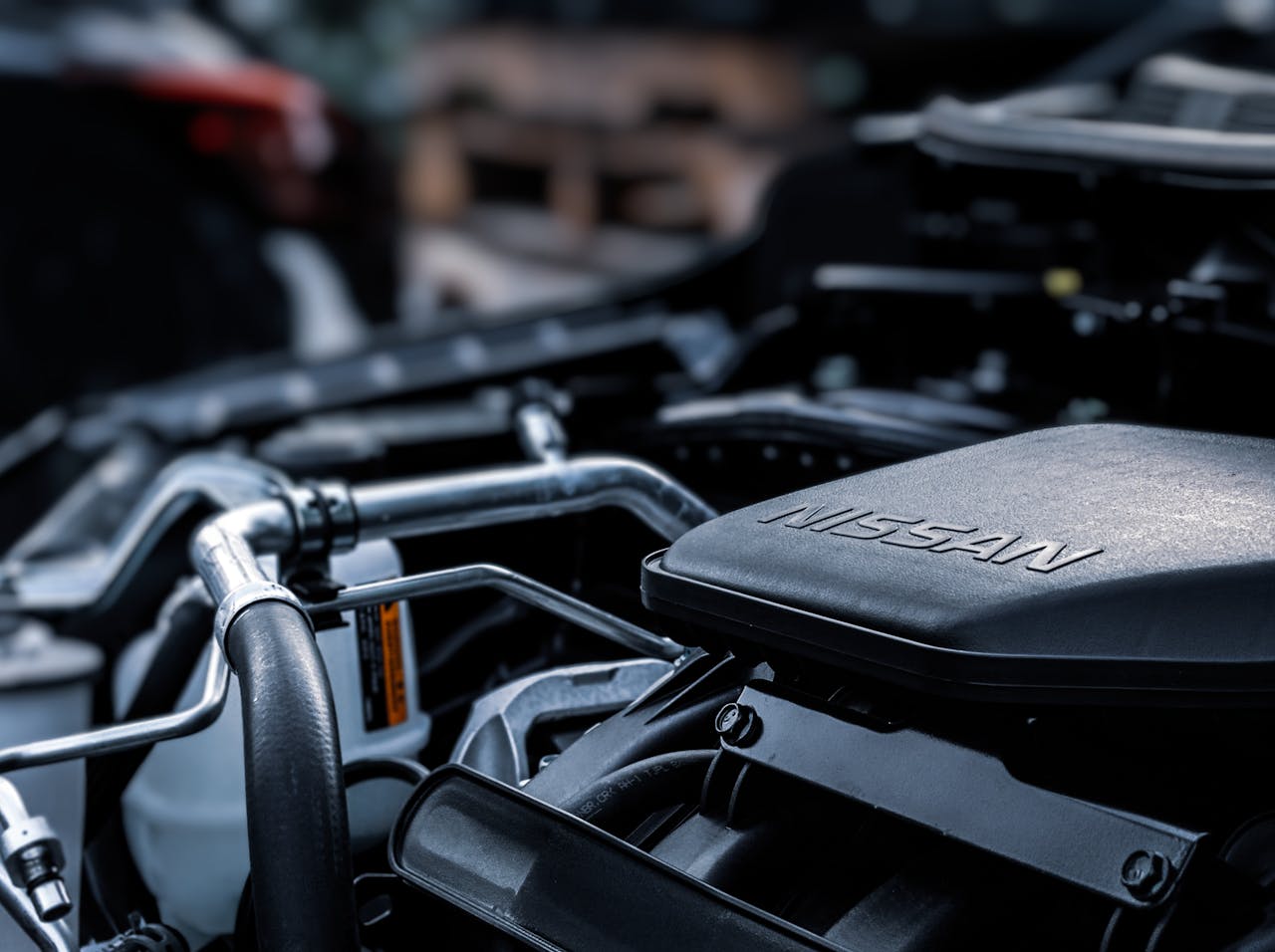
Knowing when to change parts in your Nissan is important for keeping your car in tip-top shape. It’s not just about fixing what’s broken; it’s about ensuring every drive is safe and smooth. The frequency of part changes can depend on how you drive, where you live, and even the type of parts your car uses.
By understanding these factors, you can plan for when certain parts may need replacing, maintaining your Nissan’s reliability and performance for years. Regularly checking and replacing parts as needed is a smart way to care for your car.
Key Factors Influencing Part Replacement
How often you need to replace parts in your Nissan can depend on several factors. One of the most significant influences is your driving habits. If you often drive in stop-and-go traffic or over rugged terrain, your vehicle’s parts will likely wear out faster. Aggressive driving, such as hard braking or rapid acceleration, can also shorten the lifespan of many car components.
The environment in which you drive is another critical factor. For example, vehicles frequently driven in hot or cold climates may require more frequent part replacements because extreme temperatures can cause wear and tear. Similarly, if you live in a coastal area, salty air can accelerate rusting and corrosion, affecting parts like the exhaust system and brakes.
The quality of the parts installed in your Nissan is crucial, too. Aftermarket parts might not last as long as original equipment manufacturer (OEM) parts, specifically designed and tested for your vehicle. Regular maintenance and inspections determine how long a part will last. By following a scheduled maintenance routine, you can help ensure that each component of your car is in good working order, extending the life of your vehicle and its parts. Regular checks help spot potential problems before they become more costly, allowing you to replace parts quickly.
Common Nissan Parts and Their Lifespans
Understanding when to change the key components in your Nissan can help keep your car running smoothly. Here’s a look at some crucial parts and their general replacement intervals:
1. Brake Pads: Typically, they should be replaced every 30,000 to 70,000 miles, depending on usage. Listen for squeaking noises or notice if braking feels less responsive to catch early signs of wear.
2. Air Filters: Replace them approximately every 15,000 to 30,000 miles. A clogged air filter can make your engine work harder, reducing fuel efficiency and performance.
3. Batteries: Car batteries usually last between 3 to 5 years. Weak engine starting or dim lights can signal that it’s time for a new battery.
4. Spark Plugs: These are generally replaced every 30,000 to 100,000 miles. Check the spark plugs if your engine is misfiring or has trouble starting.
Stay attentive to your vehicle’s behavior to determine when a part might need changing sooner than recommended. Be aware of any unusual sounds, vibrations, or dashboard warnings. Addressing these signs quickly can preempt larger issues and keep your Nissan in peak condition. Regular visual inspections during routine maintenance checks can also reveal visible wear, helping you plan part replacements proactively.
Signs It’s Time to Replace Parts
Knowing the signs of failing parts is key to avoiding unexpected mishaps on the road. Your Nissan can give clues when it’s time to replace certain components. For instance, unusual noises like grinding when you brake might indicate it’s time for new brake pads. A sluggish vehicle or has diminished acceleration could signal that spark plugs need attention.
Pay close attention to dashboard alerts. Modern Nissans have sensors that detect various issues, from low tire pressure to engine faults. Responding promptly to these alerts can make a big difference in vehicle health.
Specific parts have unique warning indicators. The timing belt is crucial and often shows signs of needing replacement at around 60,000 to 100,000 miles. If you hear a ticking noise from the engine or see oil leaking near the motor, it might be time to inspect the timing belt. Similarly, worn spark plugs can lead to engine misfires or poor fuel economy, affecting overall performance. Always consult your vehicle’s manual and consider professional checks if these signs appear.
Benefits of Timely Part Replacement
Replacing parts on schedule brings numerous benefits. Most importantly, it enhances vehicle safety, ensuring every component functions as it should. A smooth vehicle is less likely to face sudden failures, minimizing the risk of accidents. Keeping parts in their best condition also boosts car performance, providing a comfortable and reliable driving experience.
Timely part replacement helps avoid larger, more costly repairs. For example, ignoring worn brake pads can damage rotors, leading to expensive brake system overhauls. Addressing minor issues before they escalate saves time and money in the long run.
Regularly updating and fixing car parts extends your vehicle’s lifespan. Rather than driving your Nissan into the ground with neglected maintenance, scheduled replacements keep it robust and road-ready for years. This habit also supports resale value, as potential buyers will appreciate a well-maintained car with documented care.
Conclusion
Understanding how often and when to replace Nissan parts is vital for keeping your car running efficiently and safely. The responsibility of regular maintenance and timely part replacements not only prolongs your vehicle’s life but also ensures every trip is as smooth and secure as possible. You take a proactive role in vehicle care by recognizing the factors that influence wear, identifying the signs of parts needing replacement, and appreciating the benefits of routine upkeep.
At Nissan of Westbury, we’re here to help you manage your vehicle’s needs. If you’re unsure about your Nissan’s parts and maintenance schedule, visit our Nissan parts dealer for expert advice and service. Our team is ready to assist with all your Nissan care requirements, from routine checks to specific part replacements, ensuring your car remains in perfect shape. Drive safely and confidently with our support!
Top Road Trip Tips for Nissan Owners

Hitting the open road in your Nissan can be a thrilling adventure; with some planning, you can make it even more enjoyable. Whether exploring local sights or venturing across the country, being well-prepared ensures a smooth journey. From checking your vehicle’s condition to planning the perfect playlist, a little preparation can go a long way.
Preparation and Planning
Preparing your Nissan SUV before setting out on your adventure is key. Start with a pre-trip vehicle inspection to ensure everything is in working order. Check vital components like engine oil, tire pressure, and brake condition. Proper oil levels keep the engine running smoothly, while correct tire pressure ensures better fuel efficiency and safety on the road. Brake efficacy is crucial for your safety, so ensure they’re responsive.
Planning your route ahead of time can save you a lot of hassle. Use navigation tools to find the best paths, avoid heavy traffic, and even discover scenic routes that add enjoyment to your trip. Having a clear plan can turn long drives into pleasant experiences rather than stressful ones.
Packing efficiently also plays a crucial role in a successful trip. Consider having an emergency kit within reach, complete with essentials like a first-aid kit, a flashlight, and jumper cables. Organize your luggage by distributing weight evenly to maintain vehicle balance. This helps with fuel efficiency and handling. Having everything in its rightful place ensures a smooth start to your journey.
Maximizing Comfort and Convenience
Ensuring everyone in your Nissan SUV is comfortable can transform the road trip experience. Start with the seating adjustments to ensure every passenger has enough space to relax. Use the climate control settings to maintain the perfect cabin temperature, avoiding stuffy or cold environments.
Entertainment can make long drives more enjoyable. Take advantage of your Nissan’s infotainment features, which offer music streaming and navigation assistance options. Sync smartphones with the system to access personal playlists or audiobooks, keeping everyone entertained throughout the journey.
Organizing the cabin can also enhance comfort and accessibility. Use storage compartments efficiently to keep things tidy. Here are some tips:
- Keep Snacks Accessible: Have a dedicated space for snacks and drinks, making them easy to reach without causing distraction.
- Use Seatback Organizers: These can hold items like books, electronic devices, and chargers, avoiding clutter.
- Prepare Personal Comfort Items: Blankets, neck pillows, or eye masks can be lifesavers on long trips.
By ensuring comfort and maximizing your SUV’s features, fun and relaxation go hand in hand during any excursion.
Safety on the Road
Maintaining safety on the road is paramount, especially during long trips. Adopting defensive driving techniques can significantly enhance your travel experience. Stay alert, look ahead to anticipate hazards, and keep a safe distance from the vehicle ahead. These actions help you react appropriately to sudden stops and road changes.
Regular breaks are essential; they prevent fatigue and keep you mentally sharp. Plan stops every two hours to rest and stretch your legs. This approach reduces stress and ensures sustained focus on driving.
Nissan SUVs have advanced safety features like blind-spot monitoring and adaptive cruise control. Blind-spot monitoring alerts you to vehicles in adjacent lanes, reducing the risk of collisions during lane changes. Adaptive cruise control maintains a safe following distance, automatically adjusting speed to match traffic flow. Utilizing these features helps create a safer driving environment, enhancing your confidence on the road.
Eco-Friendly Travel Tips
Traveling in an environmentally friendly way benefits both your wallet and the planet. One key tip is maintaining optimal fuel efficiency. Aim to drive at a steady speed and avoid unnecessary idling. These small changes decrease fuel consumption and reduce emissions.
Packing lighter can also improve efficiency. A heavier vehicle consumes more fuel, so try to minimize excess weight. Stick to essentials and distribute the load evenly in your Nissan SUV, optimizing performance and handling.
Consider exploring eco-friendly travel destinations and practices during your trip. Visit parks or natural reserves that support conservation efforts. Choose accommodations committed to sustainable practices. Taking these steps contributes to a more responsible and enjoyable road trip experience.
Conclusion
By embracing these essential maintenance tips and travel strategies, your Nissan SUV will be your trusted partner on any journey. From adequate preparation and planning to ensuring safety on the road, each step contributes to a smooth and enjoyable adventure. Recognizing the importance of comfort, convenience, and eco-friendly practices completes the travel experience, making every trip memorable and efficient.
For those looking to enhance their Nissan road trips, it’s about embracing practices promoting a seamless journey. Whether enjoying enhanced safety features or optimizing fuel use, these strategies help make every mile count. Visit Nissan of Westbury for expert advice, vehicle check-ups, and a wide range of Nissan SUVs ready for any adventure. Our Nissan service center ensures your vehicle meets your journey’s needs, keeping the road open to endless possibilities.
Why Choose Nissan SUVs for Winter Driving

Winter driving can be tough, but choosing the right SUV can make a huge difference. Nissan SUVs are designed to tackle winter’s challenges while keeping you comfortable and safe on the road. Whether driving through snow or facing icy conditions, these SUVs have the features you need for a secure journey.
Superior Traction and Control
Driving on icy roads demands a vehicle that can grip the surface securely, and Nissan’s advanced all-wheel-drive (AWD) systems are made for this challenge. These systems distribute power efficiently to both front and rear wheels, maximizing traction and stability. This means that your Nissan SUV will maintain control whether you’re navigating slick city streets or snow-covered highways, reducing the likelihood of slips and skids.
But the benefits don’t stop with AWD. Nissan’s stability and traction controls are game-changers for winter driving. These systems monitor your wheels’ grip on the road and make real-time adjustments to prevent loss of control. Applying brakes to individual wheels or reducing engine power helps you stay on the intended path, even when conditions are less than ideal.
Ground clearance is another key factor when tackling snowy paths. Nissan SUVs sit higher than regular cars, allowing you to drive over snow and slush without scraping the undercarriage. This extra height prevents getting bogged down in drifts, making tricky terrains easier to handle. Whether heading to a cabin in the woods or tackling your daily commute, this clearance offers confidence and ease.
Comfort and Convenience Features
Winter driving isn’t just about getting from point A to point B; it’s about doing so comfortably. Nissan SUVs have features that make cold-weather driving cozy and convenient. Heated seats and steering wheels warm up quickly, offering instant comfort against the cold. These features can be real lifesavers on frigid mornings, making your trip more pleasant.
Another useful feature is the remote start system. With just a click, you can start your SUV from inside your warm home, allowing the engine to warm up and defrost the windows before you even step outside. Pair this with advanced climate control capabilities; your vehicle’s interior will be just the right temperature when you get in.
Inside, spacious interiors and plentiful cargo space provide room for passengers and gear alike. Whether you’re packing snowboards, ski boots, or a stack of luggage, Nissan SUVs accommodate all your winter needs. The ample room ensures everyone stays comfortable and nothing crucial gets left behind. You can hit the road ready for adventure without sacrificing comfort or convenience.
Safety Technologies and Features
Winter driving can present many hazards, which is why Nissan SUVs are packed with safety technologies designed for those icy months. Collision warning systems are great for spotting potential dangers before they turn into accidents. These alerts allow drivers to react quickly, increasing safety on slippery roads.
Nissan’s brake assist technology is another key feature, stepping in during those crucial moments when sudden stopping is necessary. This system amplifies braking power in emergencies, helping to prevent skidding or losing control. Coupled with traction control and anti-lock brakes, your Nissan SUV works hard to keep you steady.
Adaptive cruise control and blind-spot monitoring also play significant roles. Adaptive cruise control adjusts your speed based on the vehicle ahead, maintaining a safe distance even in poor visibility. Meanwhile, blind-spot monitoring alerts you to vehicles in areas you might not see, a vital feature when changing lanes in low visibility. Together, these systems form a protective net, making winter travel less stressful and safer for everyone inside.
Reliability and Durability
Nissan SUVs are built to last, a factor that stands out, especially during harsh winters. These vehicles repeatedly prove their strength, constructed with materials meant to handle extreme weather. Their robust builds ensure they perform well, even in the most challenging environments, giving you confidence whenever you venture out in snow or ice.
Beyond their durability, Nissan SUVs are known for their long-term reliability. Regular maintenance is key, and these vehicles are designed for easy upkeep. Ensuring your SUV is winter-ready involves checking fluids, inspecting tires, and verifying battery health. These simple tasks make a big difference in performance during cold months.
A well-maintained SUV does more than just run smoothly. It also helps maintain safety and efficiency, keeping you on the road without unexpected hiccups. By choosing a Nissan SUV, you’re opting for a vehicle that won’t just survive winter but thrive during it, reliably getting you where you need to go.
Conclusion
Choosing a Nissan SUV for winter driving brings various benefits, from superior traction systems to advanced safety features and unmatched comfort. These vehicles are well-equipped to handle the demands of cold-weather travel, ensuring both safety and comfort for you and your passengers. Whether it’s the reliability that gets you through stormy nights or the luxury features that make every drive pleasant, Nissan SUVs deliver on every front.
At Nissan of Westbury, we’re ready to help you find the perfect SUV. Explore our selection of Nissan SUV deals, each offering unique features to enhance your winter driving experience. Visit us today and discover the difference a Nissan SUV can make in your seasonal travels.
How to Keep Your Nissan Truck in Top Shape
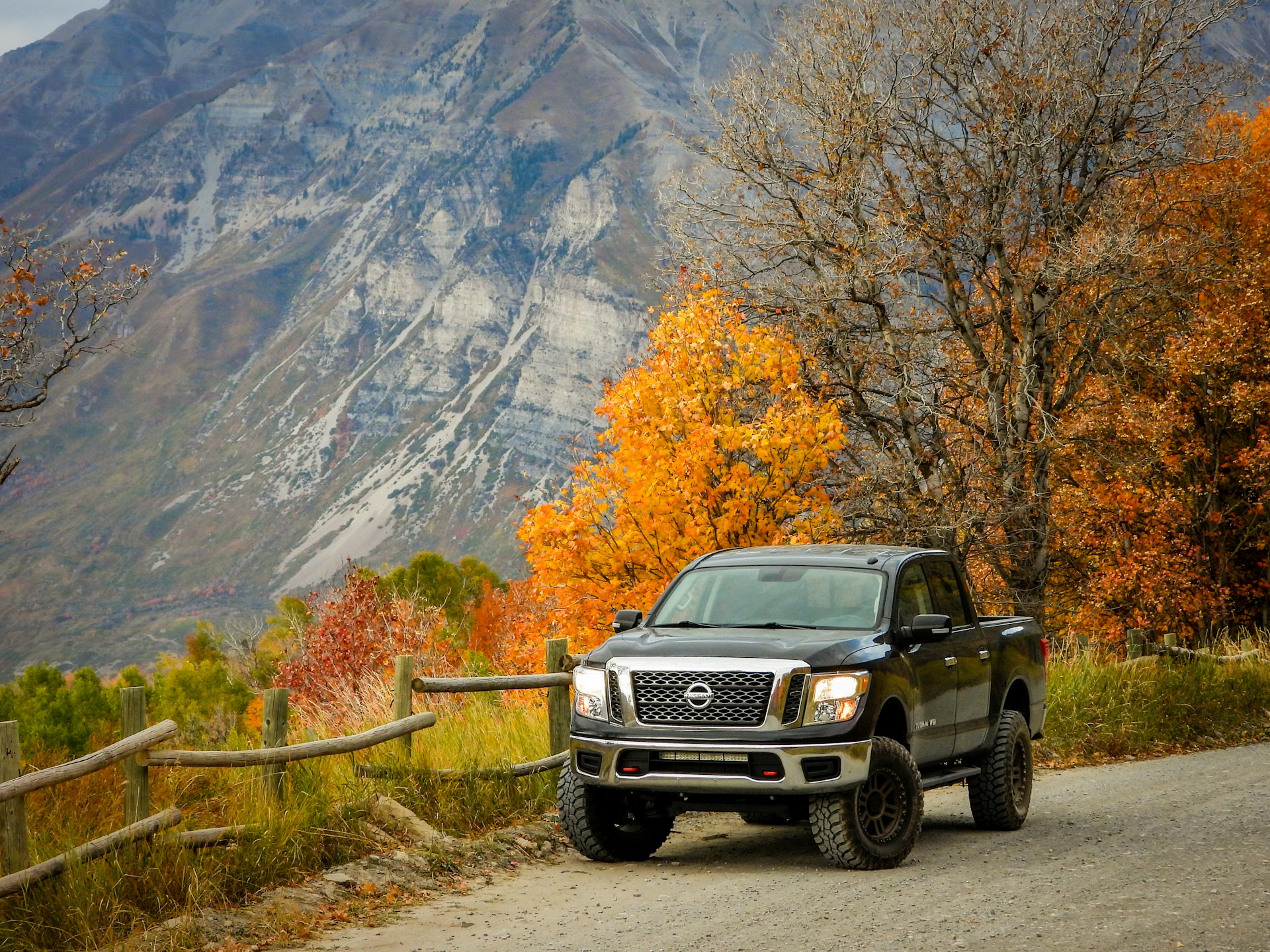
Owning a Nissan truck is both a joy and a responsibility. Proper care is essential to keep your truck running smoothly for the long haul. Whether it’s for work or play, regular maintenance can help extend the life of your truck and keep it performing at its best. So, let’s dive into some practical tips to help your Nissan truck stay in top shape.
Regular Maintenance Checks
Performing regular maintenance checks is vital to keep your Nissan truck running smoothly. Routine maintenance ensures that your truck remains reliable and safe on the road, which is especially important if you use your truck for heavy-duty tasks. Regular checks can catch minor issues before they become major headaches, potentially saving you time and money.
Start by checking the oil levels. Engine oil is like the lifeblood of your truck, keeping all the engine parts well-lubricated. Running low on oil can cause severe damage, so check the oil level regularly and change it when needed. Brakes are another critical component. Worn-out brakes can compromise safety, so inspect them frequently to ensure they’re in good condition. If you hear any squeaks or notice longer stopping times, it’s time for a check-up.
Tire pressure is another key factor. Properly inflated tires improve fuel efficiency and promote even wear, extending lifespan. Check your tire pressure monthly and before long trips. Also, don’t ignore tire treads; they are crucial for gripping the road, especially in wet conditions.
Schedule regular service appointments with professionals to maintain your truck’s top performance. These visits allow mechanics to perform detailed inspections and maintenance tasks that you might overlook, such as checking the cooling system, inspecting suspension components, and topping off fluids. A professional look at your truck regularly ensures that any hidden issues are caught early.
Keeping the Exterior Clean and Protected
Maintaining a clean exterior keeps your Nissan truck looking sharp and protects it from the elements. Regular cleaning removes dirt and grime that can damage paint over time. To keep your truck’s exterior in tip-top condition, wash it consistently. Use a gentle, automotive-specific soap, and rinse thoroughly to prevent soap residue.
Waxing is essential for protecting the paint and giving your truck a glossy finish. It adds a layer of protection against UV rays, rain, and road salt. Aim to wax your truck every few months or more often if you drive in harsh weather.
Remember the undercarriage. Mud and salt can easily accumulate underneath your truck, especially during snowy or rainy seasons. Cleaning the undercarriage prevents corrosion and rust, which can weaken your truck’s structural integrity over time. A high-pressure hose is an effective tool for this task.
Adjust your cleaning routine with the seasons. In summer, add a UV protector to prevent sun damage. In winter, wash more frequently to remove salt and chemicals from the roads. Keeping your truck clean and protected year-round enhances its appearance and protects your investment for years to come.
Ensuring Engine Efficiency
Keeping your truck’s engine running efficiently is crucial for performance and fuel economy. The engine is the heart of your Nissan truck, and taking care of it means paying attention to its many components. Filters, like air and oil filters, play a big role in engine performance. Dirty or clogged filters can reduce airflow and cause the engine to work harder, impacting fuel efficiency and power. Make it a habit to check and replace these filters as needed to keep your engine breathing easy.
Belts are another key component to monitor. Over time, drive belts can wear and crack, leading to potential engine failure or loss of power. Regularly inspect belts for signs of wear and replace them before they become a bigger issue.
Common engine issues such as strange noises, loss of power, or excessive smoke are warning signs that something might be wrong. Paying attention to these can prevent minor problems from becoming expensive repairs. Regular engine tune-ups are also beneficial. During a tune-up, a professional can adjust key settings and components to improve efficiency and performance, helping your truck run smoothly and economically.
Maximizing Interior Comfort and Functionality
A clean and comfortable interior makes every drive enjoyable. Keeping the interior of your truck tidy can prevent wear and tear, maintaining both comfort and value. Regular vacuuming helps remove dirt and debris from seats and carpets. Use floor mats and seat covers to protect surfaces and make cleaning easier.
Keeping the control panels clean is essential for ensuring all systems work properly. Dust can accumulate in difficult-to-reach areas and can affect electronics over time. Wipe down surfaces with a soft cloth to keep buttons and displays dust-free and fully functional.
Routine air conditioning checks are essential for comfort, especially during warm months. A well-maintained AC system can improve air quality inside the cab and make long drives more pleasant. Make sure the vents and filters are clean to allow for efficient airflow.
With these simple maintenance tips, you can keep your Nissan truck’s interior in excellent condition, enhancing your comfort and driving experience.
Conclusion: Ensuring Your Truck’s Longevity
Caring for your Nissan truck is easy, with regular maintenance and a little attention to detail. Whether you’re ensuring engine efficiency or keeping the interior clean, these efforts go a long way in extending the life and performance of your vehicle. Longevity and reliability are often the results of consistent care and regular check-ups, which preserve your truck’s value and safety on the road.
Ready to ensure your Nissan truck stays in great condition? Visit Nissan of Westbury for expert maintenance and support. Our skilled technicians are here to help with all your service and official Nissan part needs, keeping your truck performing at its best for every journey ahead.
Buying a Used Nissan: What to Check First

Purchasing a used Nissan can be an excellent way to enjoy a reliable vehicle while saving money. However, ensuring you’re getting a good deal and that a vehicle is in solid condition is important. Doing your homework before buying can help you avoid unexpected problems.
These initial steps can protect you from potential problems and ensure your used Nissan is worth every penny. Once you’ve a clear picture of the car’s history and condition, you’ll be better prepared to negotiate confidently and drive away happy with your purchase.
Research Vehicle History
Before buying a used Nissan, checking the vehicle history is crucial. This step helps you understand what the car has been through, including any past accidents or major repairs. A vehicle history report details previous ownership, documenting who had the car and for how long. Frequent changes in ownership can sometimes signal underlying issues with the vehicle.
Services like CARFAX and AutoCheck offer reliable vehicle reports. These services compile data from various sources, giving you a comprehensive look at the car’s background. Through these reports, you can learn if the car was ever part of a recall or had significant modifications. Importantly, these reports reveal if the car holds a salvage title, which means it was declared a total loss by an insurance company.
Look for red flags, such as consistent maintenance gaps. A well-maintained car reflects regular oil changes and servicing. If the maintenance records show lapses, you might be looking at a vehicle that hasn’t received the care necessary to stay in good shape. Always verify the accuracy of the information in these reports to make a well-informed decision.
Inspect the Exterior and Interior
Once you’ve navigated the vehicle’s history, it’s time to inspect its physical condition. Start with the exterior. Look at the paint for any signs of damage like scratches, dents, or fading. These marks can indicate previous, possibly unresolved issues. Signs of rust should also be noted, especially around the wheel wells and undercarriage. If not addressed, rust can spread and severely affect the vehicle’s structural integrity.
Check the functionality of lights, windows, and doors. Turn on the headlights, brake lights, and indicators. Open and close windows and doors to ensure they operate smoothly without strange noises. Also, examine the condition of the tires, and check uneven wear, which can suggest alignment problems.
The interior inspection is equally important. Focus on the seats for tears or excessive wear, and check that the upholstery is clean and intact. The dashboard should be free from cracks, and all electronic components like the stereo, air conditioning, and infotainment system should be in working order. Don’t overlook areas like the trunk and spare tire compartment for any signs of water damage or excessive wear. A thorough interior check gives you a better idea of how previous owners used and maintained the vehicle.
Evaluate Mechanical Condition
A thorough mechanical evaluation is crucial when buying a used Nissan. Begin with a comprehensive test drive to assess the engine’s performance. Start the car, listen for unusual noises, and test the acceleration and brakes. Ensure the steering feels responsive and observe how the car handles turns and stops. These steps reveal a lot about the car’s overall condition.
Next, a pre-purchase inspection by a certified mechanic should not be overlooked. An experienced professional can spot potential issues that aren’t immediately visible, providing a detailed assessment of the car’s mechanical health. They will check critical components like the transmission, exhaust system, and cooling system, which are essential for the car’s longevity and reliability.
Common mechanical issues include oil leaks, worn-out belts, and battery health. Leaking oil can indicate gasket problems or engine issues, while deteriorated belts might lead to engine failure. Ensuring the car is mechanically sound before purchasing can save you from costly repairs later.
Review Costs and Warranties
When buying a used Nissan, evaluating the total cost involves more than just the sticker price. Start by comparing prices of similar models online to ensure you are getting a competitive deal. Prices vary based on mileage, condition, and year, so having a ballpark figure helps negotiate.
Review available warranties and understand what they cover. Some vehicles might come with existing factory warranties, providing peace of mind. Check if these warranties are transferable to you as the new owner. Knowing the extent of coverage can protect you from future mechanical issues.
Don’t forget to consider additional costs such as registration, taxes, and potential repairs that might arise soon after purchase. Factoring in these expenses will give you a clearer picture of the total cost of ownership. A well-informed decision minimizes surprises and ensures that your chosen used Nissan fits your budget.
Conclusion
Making a careful and informed purchase can make all the difference when buying a used Nissan. By thoroughly researching the vehicle’s history, inspecting its condition, and weighing the costs, you position yourself to find a reliable car that suits your needs. Each step of this process builds your confidence in the purchase and helps you avoid common pitfalls associated with used vehicles.
Ready to find the perfect used Nissan? Visit Nissan of Westbury to explore a wide selection of reliable pre-owned Nissans for sale. Our team is prepared to assist you every step of the way, ensuring a seamless buying process. Discover your ideal vehicle today and start driving with confidence.
Benefits of Servicing Your Nissan Regularly

Keeping your Nissan in top condition means enjoying smoother rides, fewer surprises on the road, and the satisfaction of a dependable vehicle. Regular servicing is crucial in ensuring your car runs efficiently and safely. Sticking to a maintenance schedule can catch potential issues early, saving time and money in the long run.
Enhancing Vehicle Safety and Reliability
Regular service checks are critical to keeping your Nissan as safe as possible. These checks help identify potential safety issues before they become serious problems. For example, brakes and tires are essential for safe driving. Routine inspections can uncover worn-out brake pads or low tire tread, compromising your safety on the road. Addressing these issues early helps maintain a safe driving experience.
Furthermore, regular servicing contributes to your Nissan’s reliability. Regular maintenance ensures all vehicle components function as designed. If your car’s engine, transmission, and other vital systems are regularly checked and maintained, they are less likely to suffer from unexpected failures. You want your car to start every morning and run smoothly on every journey. Routine servicing helps achieve this reliability by keeping everything in good working order.
Timely maintenance can also prevent breakdowns. Replacing components before they fail reduces the chance of your car breaking down on the side of the road. This includes changing engine oil, replacing filters, and checking the battery. These actions might seem minor, but they greatly impact how well your car runs. When everything is in tip-top shape, your Nissan will be ready for anything, giving you peace of mind as you drive.
Improving Performance and Fuel Efficiency
Regular servicing is key to your Nissan’s performance and fuel efficiency. A well-maintained engine runs smoother and more efficiently. Basic maintenance tasks, like oil changes, spark plug replacements, and air filter checks, play a big role. Fresh oil lubricates engine parts better, reducing friction and wear. New spark plugs help the engine burn fuel more effectively, while clean air filters ensure the engine gets enough air for combustion.
Proper tire care is another essential aspect of regular servicing that boosts fuel efficiency. Properly inflated tires reduce rolling resistance, which helps your car use less fuel. Proper alignment ensures that your tires wear evenly, improving their lifespan and maintaining optimal fuel use.
Regular servicing extends the life of your Nissan by keeping it in optimal condition. With everything from the engine to the tires in great shape, your car will perform at its best. It will also consume fuel more efficiently, meaning fewer gas station trips. Investing a little time in regular service appointments ensures your Nissan delivers a smooth, efficient driving experience for years.
Maintaining Resale Value
Keeping your Nissan’s resale value high is important, especially if you plan to sell or trade it. A detailed service history plays a big role here. Documenting all services and maintenance lets potential buyers see that the vehicle was well cared for. It suggests the car has been consistently reliable, and any necessary repairs were addressed promptly. Buyers find this information reassuring, lowering the perceived risk of purchasing a used vehicle.
Regular maintenance highlights the care you’ve taken with your vehicle, which is appealing to buyers. Knowing that a car was routinely serviced suggests it is less likely to have hidden issues. This can make your Nissan more attractive compared to similar models that lack such documentation. A well-maintained car sells more quickly and often at a higher price. Buyers are willing to pay more knowing they are investing in a vehicle in better condition, offering peace of mind alongside the purchase.
Gaining Peace of Mind
Keeping your Nissan well-maintained delivers significant peace of mind. Knowing that your vehicle is in top shape allows you to drive confidently without worrying about unexpected breakdowns. Regular servicing helps minimize risks by ensuring all components work as they should. This consistency reduces the likelihood of costly major repairs, saving you stress and money in the long run.
Regular check-ups also mean you’re ready for those long road trips. Imagine taking a journey without second-guessing your car’s performance—complete peace of mind. Routine maintenance ensures that all systems, from brakes to the engine, function properly. You can enjoy the open road without constant concern over potential issues.
Conclusion
Embracing regular servicing for your Nissan ensures that your vehicle continues to perform at its best, stays safe, and maintains its value. It supports engine health, enhances fuel efficiency, and boosts reliability, allowing for a trouble-free driving experience. By consistently caring for your vehicle, you ensure it remains a dependable part of your daily life and a valuable asset for the future.
To keep your Nissan in excellent condition, connect with the experienced team at Nissan of Westbury. Our skilled professionals are ready to provide quality service that helps ensure your car’s performance and longevity. Schedule your next appointment today in our Nissan service center and take the crucial steps towards maintaining and enhancing your Nissan’s value and reliability for years to come.
Nissan SUVs for Families: What to Look For

Choosing the perfect SUV for your family can feel like a big task. Luckily, Nissan’s lineup offers great options for families of all sizes. With spacious interiors and great technology features, these SUVs make life on the go much easier. Exploring these features can help you find the right SUV that perfectly matches your family’s needs.
Understanding Nissan’s SUV Lineup for Families
Nissan’s lineup of SUVs caters to the diverse needs of families with a variety of options to choose from. Each model is designed with the family in mind, offering unique features that address everyday requirements and special outings. Key models include the Nissan Rogue, Pathfinder, and the larger Armada. These vehicles are equipped with features that provide comfort, safety, and ample space.
Every family has its own set of preferences and necessities for a vehicle. Nissan SUVs come with versatile seating options, which is a huge plus for busy households. For instance, the Nissan Rogue typically seats five comfortably, making it ideal for smaller families. Meanwhile, larger families might lean towards the Nissan Pathfinder or the Armada, which offer third-row seating to accommodate up to seven or even eight passengers, depending on the configuration.
Key features offered across Nissan’s SUV lineup include advanced infotainment systems, comfortable interiors, and innovative storage solutions. Many models have foldable seats that allow more cargo space, perfect for packing strollers and camping gear. Nissan prioritizes ease of use with thoughtful details like adjustable seats and intuitive controls, helping ensure that every trip is as smooth as possible.
Safety Features That Keep Your Family Protected
Keeping your loved ones safe is essential, and Nissan goes above and beyond with its array of safety technologies. These features are designed to provide peace of mind on the road, actively working to prevent accidents and protect passengers. Automatic emergency braking is one feature available in many Nissan SUVs that detects potential collisions and can apply the brakes if needed.
Blind-spot monitoring is another critical technology in Nissan vehicles. It alerts drivers when a vehicle is in an adjacent lane. Such systems are crucial during highway driving or bustling city navigation, making lane changes safer. Additionally, Nissan’s lane departure warning helps ensure the SUV stays safely within marked lanes on the road, gently alerting the driver if the vehicle starts to drift.
Nissan’s commitment to safety and innovation is evident in its dedication to improving and integrating these technologies across its models. Features like adaptive cruise control and rear cross-traffic alert also contribute to a safer driving experience for the entire family. With these safety measures in place, you can focus more on enjoying the ride, knowing that your vehicle is equipped with the tools to help protect your family.
Family-Friendly Interior and Cargo Space
Nissan SUVs are known for their great interiors, which keep families comfortable. They have spacious seating, perfect for kiddos or carpooling. The seats are often made from easy-to-clean materials, making them great for messy little ones. Plus, they have plenty of soft-touch surfaces to add comfort.
Entertainment is key on long drives. Many Nissan SUVs have screens that can play movies or games on the go. This keeps everyone entertained during those long trips. Besides, having multiple USB ports throughout the vehicle ensures everyone’s devices are charged and ready to use. You can even play some road trip games without worrying about battery life.
Cargo space is another big win for families. These SUVs have many storage options, from hidden compartments to large trunks. Folding rear seats gives you flexibility for all the groceries, sports gear, or travel bags you need to carry. Rear-door alert features can help you remember if you left something behind. Overall, these SUVs keep everything organized and accessible, making family outings a breeze.
Considerations for Fuel Efficiency and Performance
Fuel efficiency and performance are crucial when considering a family SUV. Nissan SUVs strike a good balance between the two. They feature engines that provide enough power for smooth rides and quick highway merges. They are designed to sip gas lightly despite the power, meaning fewer pump trips.
One handy feature for family drivers is the option between front-wheel and all-wheel drive. All-wheel drive gives you added control in different weather conditions, which is excellent for safety. Nissan offers engine choices that align with your lifestyle depending on your daily driving needs, whether on city trips or weekend adventures.
Good fuel economy isn’t just about saving money. It also means you can go further on family road trips without constantly searching for gas stations. Think of the convenience and time saved. With thoughtful design aimed at efficiency, Nissan SUVs prove that you don’t have to sacrifice performance for better mileage.
Conclusion
Choosing the right SUV for your family involves looking at many features that suit your daily life. Nissan SUVs provide comfort, safety, and performance, making them a solid family choice. The spacious interiors and reliable safety features ensure all family members are comfortable and secure. Keeping an eye on fuel efficiency and performance helps plan better trips, both long and short.
At Nissan of Westbury, we understand that each family has unique needs. Our friendly team is ready to help you find the Nissan SUV deals that perfectly match your lifestyle. Whether you are looking for space, technology, or peace of mind on the road, visit us to explore our selection and drive away with your ideal family vehicle.
Connect with us


