

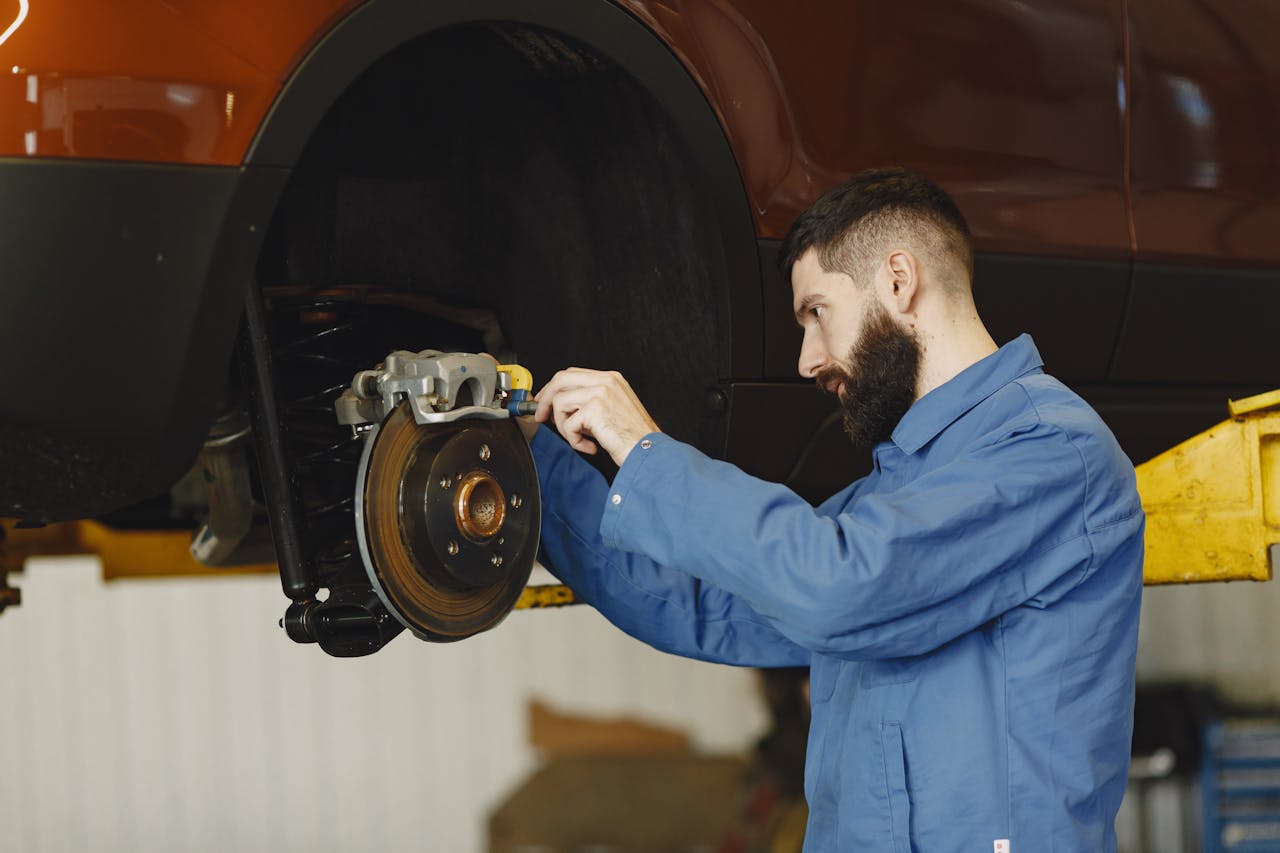
Replacing brake pads is a crucial part of car maintenance that affects your safety on the road. Recognizing when to change the brake pads in your Nissan can prevent bigger problems and ensure your vehicle stops effectively when needed.
Signs Your Brake Pads Need Replacement
Recognizing when your brake pads need replacement is essential for maintaining safety on the road. One of the most common indicators is noise. If you hear squeaking or squealing sounds when you apply the brakes, it’s a sign that the pads are worn out. Brake pads have built-in wear indicators that produce these noises to alert you that it’s time for a check-up.
Another sign is a change in the way your vehicle feels when braking. If you notice a vibration or a pulsing sensation in the brake pedal, it might indicate that the pads are unevenly worn. This can lead to reduced braking efficiency and highlights the need for assessment and potential replacement.
You can also visually inspect your brake pads. Peek through the wheel spokes to see the brake pads. If they appear thinner than a quarter of an inch, it’s likely time for a replacement. Thin brakes compromise stopping power, so catching this early can prevent bigger issues. Keeping an eye on these signs helps ensure that your brakes perform at their best and keeps you safe on the road.
Understanding Brake Pad Lifespan
The lifespan of brake pads varies depending on several factors. Driving habits play a significant role. Aggressive driving, which involves frequent hard braking, wears out pads faster than smoother, more gradual braking. Additionally, city driving with constant stopping and starting tends to put more stress on brake pads than highway driving, where braking is less frequent.
Road conditions also affect how long brake pads last. Driving on hilly or mountainous roads requires more braking, which can shorten the lifespan of the pads. Conversely, driving in flat areas typically involves less braking, extending their life.
On average, brake pads last between 25,000 to 70,000 miles. It’s wise to have them checked regularly. A good rule of thumb is to inspect them during routine maintenance. Regular checks and timely replacements prevent other brake components from wearing out prematurely and avoid costly repairs. Scheduling regular inspections allows mechanics to identify wear patterns and provide guidance on when replacements might be necessary, keeping your Nissan in optimal condition.
Impact of Delaying Brake Pad Replacement
Delaying the replacement of worn-out brake pads poses significant safety risks. As brake pads wear down, their ability to provide adequate stopping power diminishes. This can lead to increased stopping distances, which may not be sufficient in emergency situations, putting you and your passengers at risk.
Failing to replace brake pads on time can also lead to damage to other crucial brake components. Worn pads can grind against the rotors, potentially warping or damaging them. This not only results in costly repairs but also affects the overall performance and safety of your braking system. Additionally, damaged rotors can affect the vehicle’s handling and increase wear on tires.
By proactively maintaining your brake pads, you safeguard the efficiency and safety of your vehicle. Regularly inspecting and replacing brake pads as needed helps maintain optimal braking performance. This practice significantly reduces the risk of breakdowns and costly repairs while ensuring that your Nissan continues to operate safely and efficiently.
Choosing the Right Brake Pads for Your Nissan
Selecting the right brake pads for your Nissan ensures optimal performance and safety. Different types of brake pads are available, each with its own benefits. Ceramic brake pads are known for being quieter and producing less dust, making them an ideal choice for daily driving. They typically last longer, although they might be more expensive upfront. On the other hand, semi-metallic brake pads are durable and offer excellent stopping power, making them suitable for heavier cars or performance vehicles but they can be noisier.
Consider your driving habits and conditions when choosing brake pads. For example, if you frequently drive in urban, stop-and-go traffic, ceramic pads might be more suitable for their durability. If you drive a larger vehicle or engage in towing, the sturdiness of semi-metallic pads might be better.
Consulting with a professional mechanic can ensure you choose the right brake pads for your needs. They can provide advice on compatibility with your vehicle and help with installation to guarantee safe and reliable performance. Ensuring that the brake pads match your car and driving style is essential to maintaining your Nissan’s efficiency and safety.
Conclusion
Caring for your Nissan brake pads is all about ensuring safety and maintaining vehicle performance. By recognizing when your brakes need attention, you can prevent potential hazards and unnecessary expenses. Regular checks and timely replacements keep your brake system in top shape and your driving experience smooth and secure.
At Nissan of Westbury, we’re here to help you with all your brake pad needs. Whether it’s identifying signs of wear or selecting the best replacement pads, our knowledgeable team ensures top-notch Nissan brake service. Visit us to experience attentive care and keep your Nissan running as safely and efficiently as possible!
Connect with us


